September 24, 2026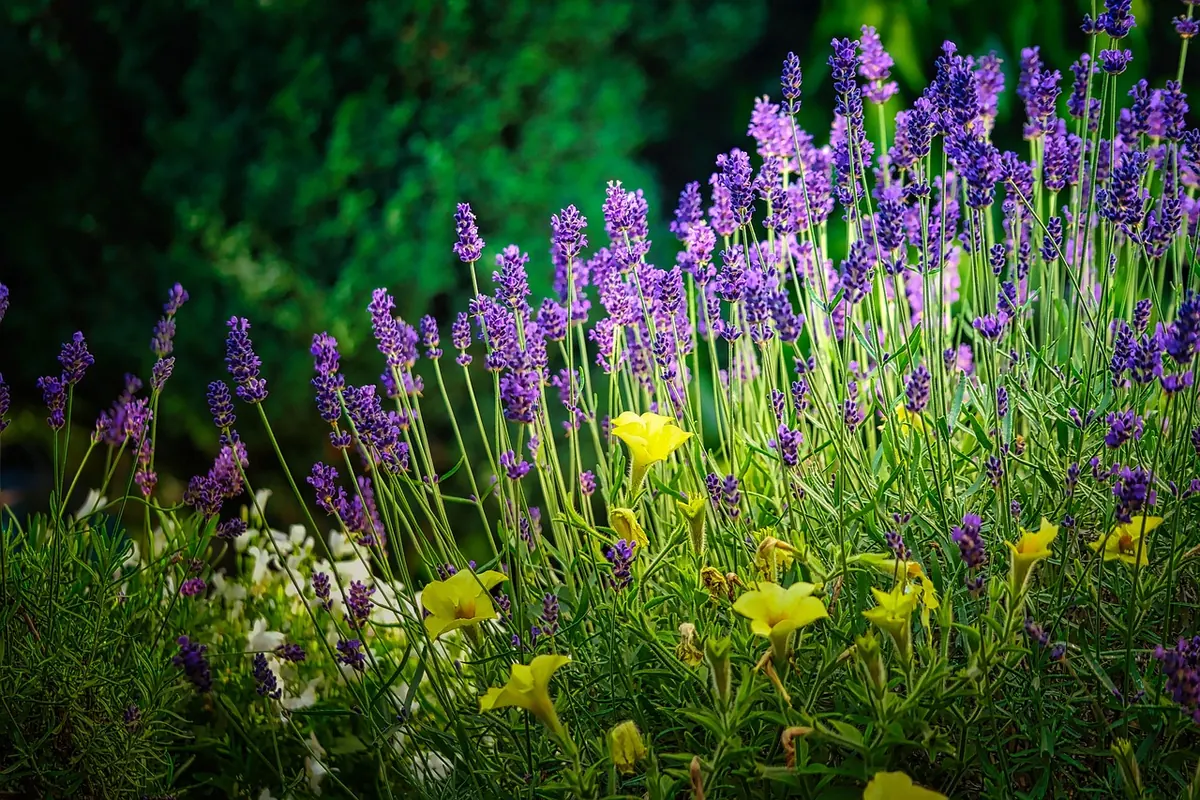
A north-facing bed, a narrow gap between fence panels, a corner under an apple tree: these are the spots where most herb books quietly give up. The assumption is that culinary herbs need baking sun, because so many of them — rosemary, thyme, lavender — evolved on dry Mediterranean hillsides. But shade is not one single condition, and plenty of herbs that earn their place in the kitchen will crop steadily on a few hours of direct light.
The trick is to choose the right plants first, then change how you water and pick them. Get those two things right and a dim patch can out-produce a sunny one.
Work out what kind of shade you have
Before ordering seeds, stand in the space at three points in the day — mid-morning, early afternoon and late afternoon — and note how much sun actually lands there. The difference between three hours and five matters more than most gardeners expect.
- Dappled shade: sun filtering through leaves for much of the day. Excellent for herbs.
- Bright shade: no direct sun, but open sky above, or pale walls and gravel bouncing light back.
- Part shade: roughly three to five hours of direct sun, ideally in the morning.
- Deep shade: dense canopy and dark soil. Only a handful of herbs will cope.
Morning sun is gentler and dries overnight damp from the leaves, which helps against mildew. Hot afternoon sun suits the Mediterranean herbs but scorches soft leaves. A north wall with a white-painted fence opposite is a better herb spot than a dark corner that catches an hour of sun at four o'clock.
Ranked by shade tolerance
Top tier: happy in bright shade
These will crop in a spot that never sees direct sun, as long as the soil is decent and not waterlogged.
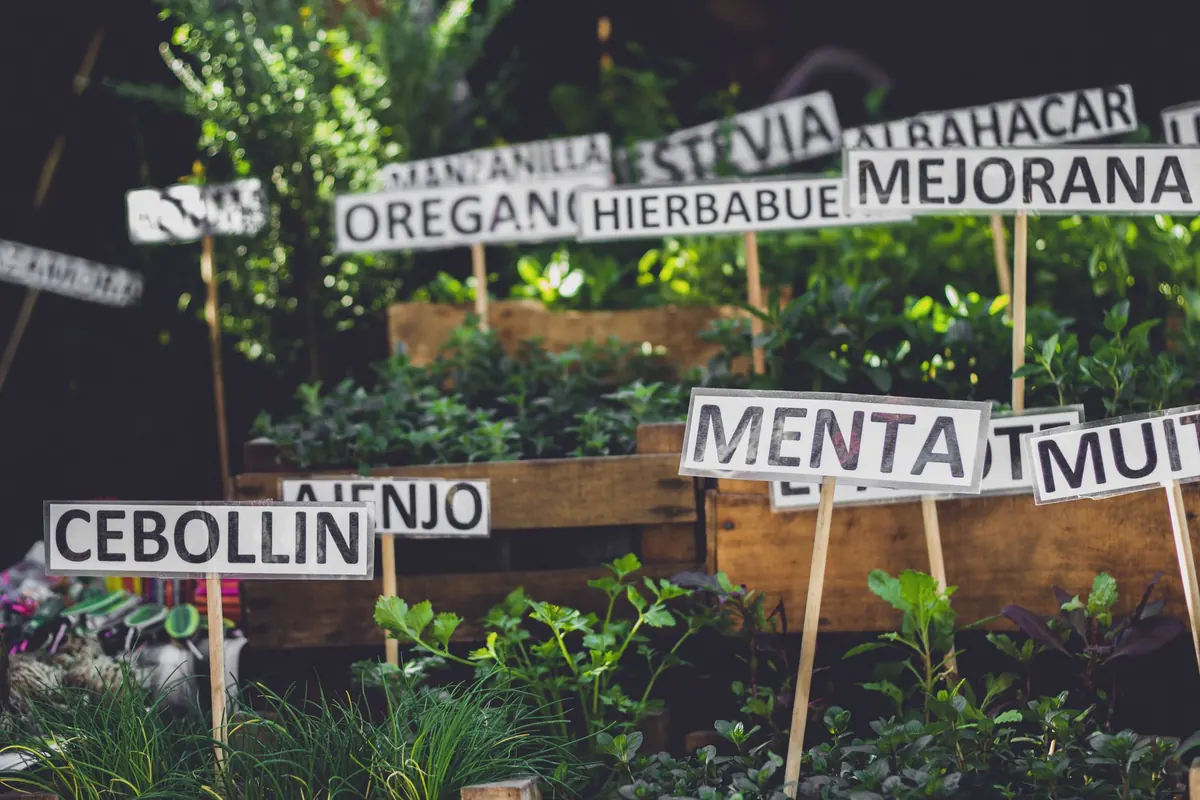
- Mint — almost too happy; sink it in a pot to stop it running.
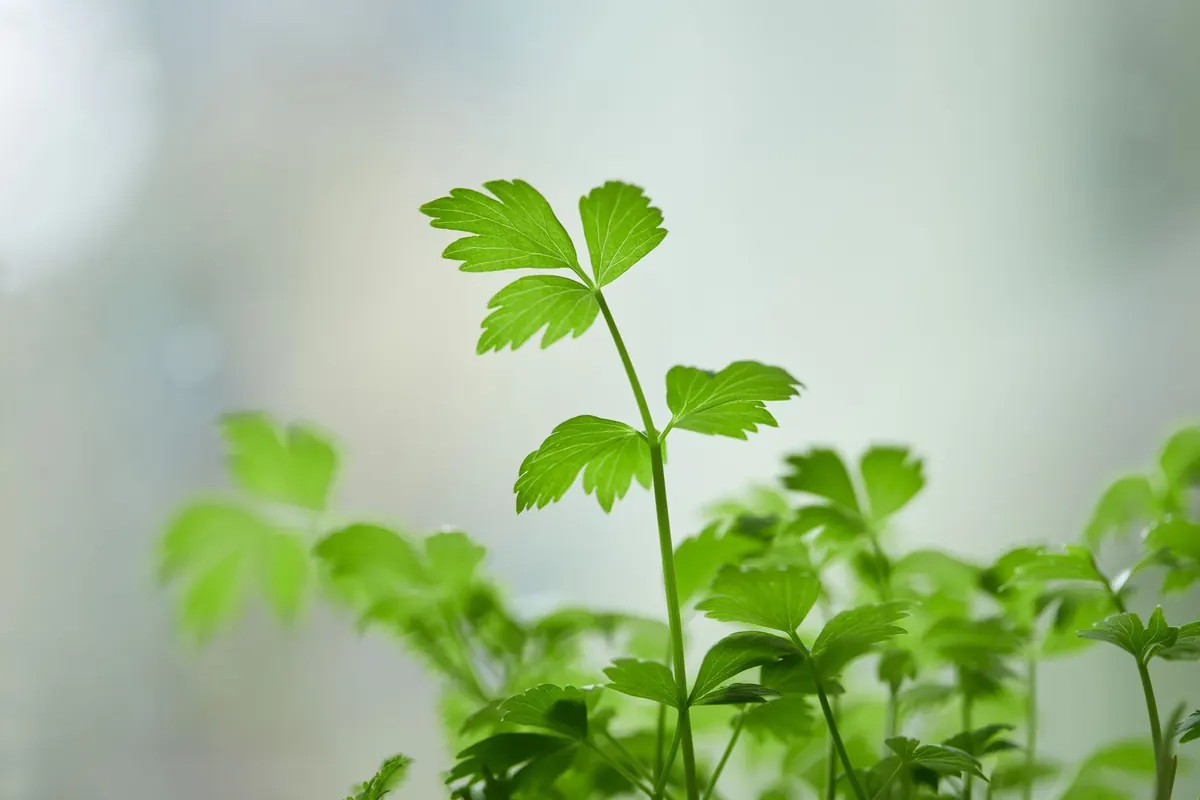
- Parsley — flat-leaf and curly both do well, and stay leafier in shade.
- Chervil — delicate aniseed annual that bolts in heat but thrives in cool shade.
- Chives — fewer flowers, plenty of leaves.
- Lemon balm — vigorous and lemony, good in salads and cold drinks.
- Sweet cicely — a soft, ferny perennial with a sweet aniseed flavour.
- Wild garlic (ramsons) — the woodland answer for a damp, shady corner.
- Sorrel — sharp and lemony, one of the best shade herbs for a salad bowl.
- Lovage — tall and celery-scented; give it moisture and room.
Second tier: copes with part shade
Three to five hours of sun, preferably morning, keeps these productive. Expect looser, paler growth than in full sun.
- Bay — quietly content in shade; slower, but the leaves still dry well.
- Coriander and dill — shade slows bolting, so you get leaf for longer in summer.
- Sage — tolerant if drainage is sharp, though the flavour is milder.
- Oregano and marjoram — will grow, but less aromatic than in sun.
- Basil — needs warmth, so give it your sunniest windowsill or a sheltered spot with afternoon sun.
Struggles without sun
Rosemary, thyme, lavender, French tarragon and winter savory all want full sun and lean, free-draining soil. In shade they go thin and sprawling, then rot at the base over winter. Grow them in pots in the brightest spot you have, or leave them out of the shady plan.
Watering when there is less light
Shade changes the water equation more than any other factor. With less sun, less evaporation happens at the soil surface and plants use water more slowly, so the root zone stays wet for longer. Most shade-herb failures are drownings, not droughts.
- Water less often, but soak properly when you do. A quick daily sprinkle keeps the top damp and the roots dry.
- Test first: push a finger in about 3cm. If it is cool and damp, wait.
- Improve drainage before planting. Fork in garden compost and a handful of horticultural grit, especially on heavy clay.
- Keep mulch thinner in cool shade; a thick blanket holds moisture and shelters slugs.
- Water in the morning so leaves dry before evening, which helps against mildew and grey mould.
- Remember tree roots. Under a mature tree your herbs compete for every drop, so plant beyond the canopy edge or use containers.
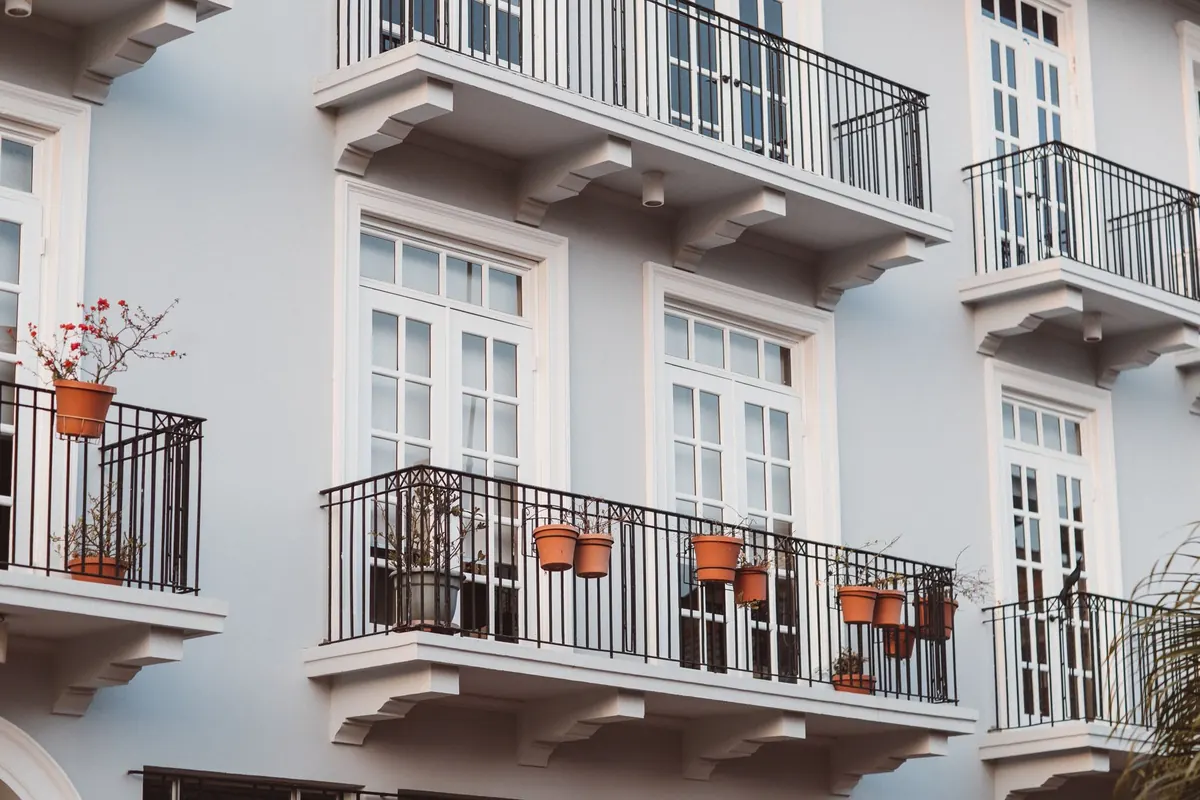
Containers behave differently. They still dry out, just more slowly, and a pot sitting in a shady, rain-fed corner can stay sodden for weeks. Raise pots onto feet so water drains freely, and tip the saucer out after rain.
Harvesting for flavour in lower light
Shaded herbs grow more slowly and produce leaves that are often softer, paler and milder. That is not a failure; it simply changes how you use them.
Pick little and often rather than taking one big cut. On a slow-growing plant, never remove more than a third of the foliage at once. Pinch the growing tips of basil, mint and lemon balm to keep them bushy instead of leggy, and cut soft herbs such as parsley, chervil and coriander from the outside, leaving the centre to carry on.
Use more than a recipe suggests. Shade-grown leaves carry less of the aromatic oils that give sun-grown herbs their punch, so a handful of shade parsley may do the work of half a handful in full sun. Add delicate herbs at the end of cooking, or raw, where their freshness shows. They are usually less bitter too, which makes them good in salads and cold sauces.
Harvest mid-morning, once dew has dried but before the day warms up. If a plant does start to stretch and pale, pinch it back rather than feeding it; extra nitrogen in low light pushes soft growth that pests and mildew find easy.
Shade-grown herbs are not lesser herbs. They are different ingredients, and the cook who tastes as they pick will use them well.
Making a shady patch work
Choose four or five reliable performers rather than fighting the light. Mint, parsley, chives, chervil and sorrel will keep a kitchen supplied from a spot that never sees direct sun, with bay or lovage anchoring the back of the bed. Keep a few pots of basil or thyme in the sunniest place you have and move them about as the seasons shift.
Small fixes add up. Pale gravel, a white wall or a light-coloured fence panel reflect light into the space. Slugs and snails love damp shade, so set traps early and clear fallen leaves. And if one herb sulks for a season despite good drainage and sensible watering, accept the verdict and swap it for something that belongs there.
Photo: fietzfotos / Pixabay