September 11, 2026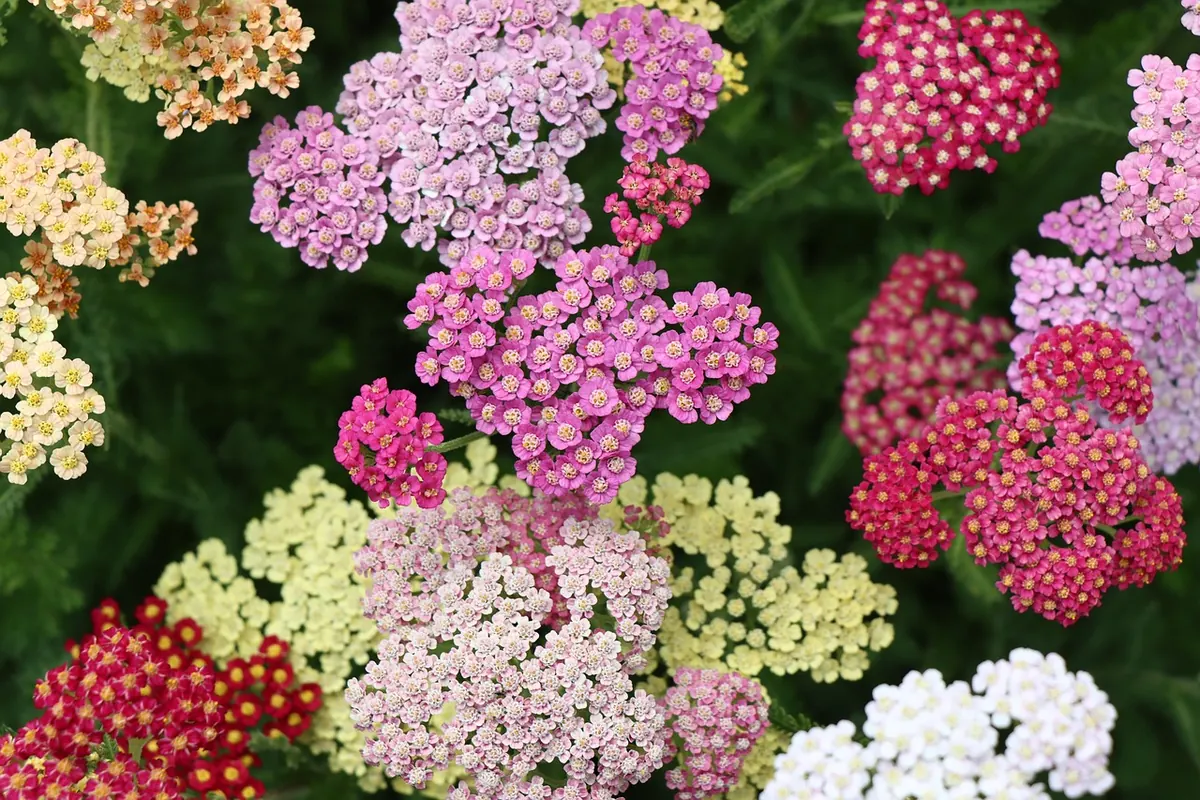
Yarrow grows wild on verges, clifftops and chalk downland across Britain, which tells you most of what you need to know about its temperament. It wants sun, it tolerates poor dry soil, and it does not need mollycoddling. Growing it from seed is cheap and genuinely straightforward, though the first few weeks ask for a little care. The seed is small, the seedlings are slower than many hardy perennials, and sowing too deeply is the single most common reason people end up with an empty tray. Get those details right and you will have sturdy plants ready for the border by early summer.
Check what you are actually sowing
Before you fill a tray, look at the packet. Common yarrow, Achillea millefolium, comes reasonably true from seed, so wildflower mixes and species packets will give you the familiar creamy white or pale pink flowers on grey-green, feathery foliage. Seed strains such as 'Summer Pastels' or 'Cerise Queen' will give you a range of colours, and no two plants will be identical.
Named cultivars are a different matter. 'Moonshine' is a hybrid and will not come true from seed, so if you want that exact sulphur yellow, buy a plant or divide an existing clump in spring. Seed from a named cultivar usually produces something pleasant but not what the label promised.
Sowing indoors or direct sowing?
Both work in the UK, and the choice comes down to how much control you want.
- Indoors or under cover: gives you earlier flowers, better germination in a cold wet spring, and protection from slugs while plants are tiny. More faff, but more reliable.
- Direct sowing: less equipment, suits meadow patches and wildflower areas, and produces plants with strong taproots. The trade-off is that weeds and molluscs can wipe out a row before you spot it.
A sensible compromise: sow a tray indoors for the spots you care about, and scatter a few seeds direct into the wilder corners.
Sowing indoors, step by step
- Time it right. Late February to April is ideal in most of the UK. Sow much earlier and low light levels leave you with pale, stretched seedlings.
- Fill your tray with seed or multipurpose compost, firm it gently and level the surface. Moist but not sodden.
- Sow thinly on the surface. Yarrow needs light to germinate. Press the seed into the compost with your palm or a flat board rather than covering it. If you must cover, a dusting of vermiculite no deeper than 2–3mm is plenty.
- Water from below or with a fine mister so you do not wash the seed into one corner.
- Cover with a clear lid or a plastic bag and keep the tray at around 15–20°C in good light.
- Germination takes roughly 10 to 21 days, and it arrives in dribs and drabs rather than all at once. Do not abandon a tray at three weeks.
- Uncover the moment the first seedlings appear and move the tray somewhere cooler and bright to stop them stretching.
Direct sowing in the ground
Wait until the soil has warmed, usually late April to June, or sow in late August to early September for plants that overwinter and flower the following summer. Clear weeds first — yarrow seedlings are not competitive at this stage — and rake the surface to a fine tilth. Water the ground before sowing rather than after, then scatter thinly and press the seed in with the back of a rake. A light scattering of sand or a label at each end helps you remember where the row is while you wait.
Keep the patch damp for the first few weeks and thin the seedlings to roughly 30cm apart once they are big enough to handle. A ring of slug protection around the patch is worth the effort; young yarrow is soft and appealing.
When germination goes wrong
Three problems account for most disappointments. Damping off, where seedlings collapse at the base in a fuzzy patch, comes from compost that is too wet and airless — take the lid off promptly and water less. Leggy, floppy seedlings mean too much warmth and too little light; a cooler windowsill or a cold frame is better than a warm kitchen. And complete silence usually means the seed was buried too deep or dried out at a critical moment.
If nothing appears after a month
Scratch the surface gently with a finger. If the compost is bone dry, water from below and give it another fortnight — yarrow can be stubborn. If you can see ungerminated seed sitting under a crust of dry compost, that is your answer. Old seed also loses viability, so a packet that has sat in a hot shed for three years may simply be past it.
Pricking out, potting on and planting out
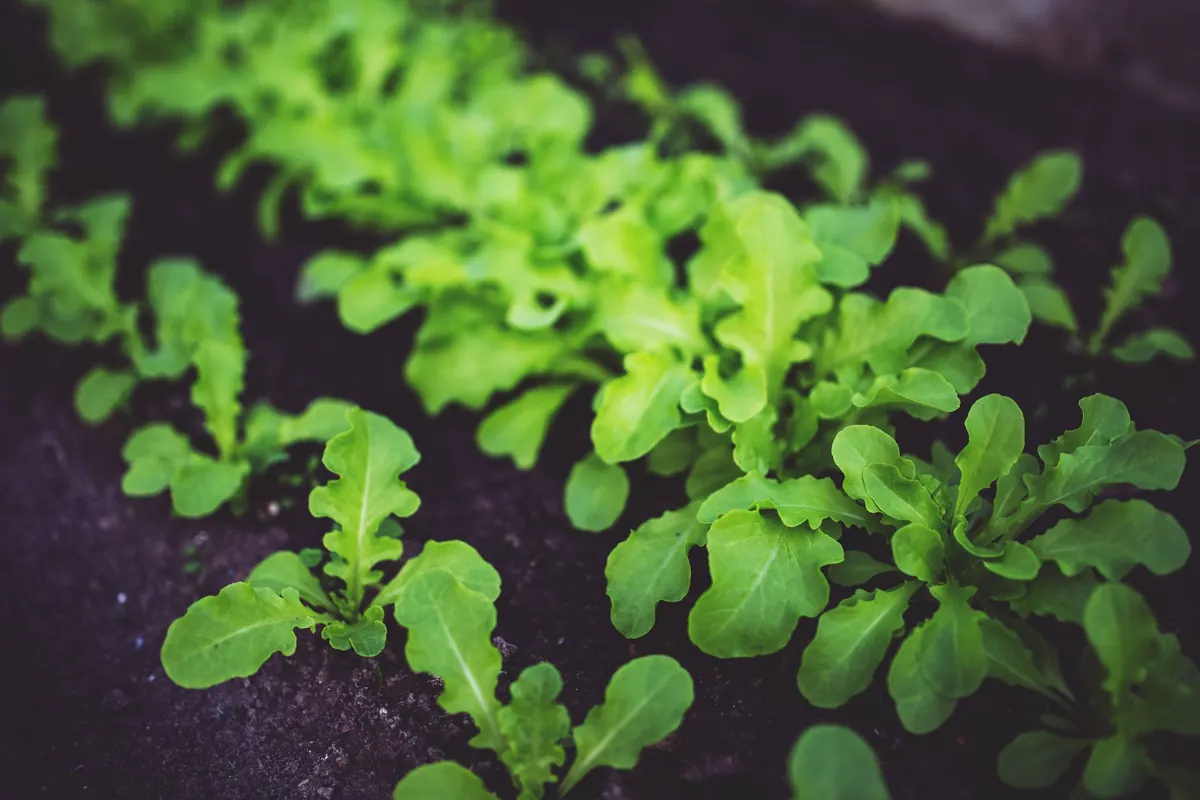
Move seedlings on once they have a pair of true leaves, not just the first seed leaves. Lift them by a leaf rather than the stem, which bruises easily, and pot them into modules or 9cm pots of ordinary compost. Grow them on somewhere cool and bright — an unheated greenhouse or a cold frame suits them far better than a warm room, and it produces stockier plants.
Harden young plants off over a week to ten days before planting out, gradually increasing their exposure. Plant out from late May through July, spacing them 30–45cm apart depending on the variety, and further apart for the tall, floppy types. Choose a sunny spot with freely draining soil. Do not enrich the ground: rich soil gives you soft, leafy growth and fewer flowers. Water the plants in and keep them watered for their first fortnight, then ease off.
Looking after yarrow in its first year
Once established, yarrow is about as low-maintenance as a garden plant gets. Water only during genuinely dry spells in the first summer. Skip the fertiliser entirely. Cut the plants back after their first flush of flowers and many will produce a second, smaller showing in late summer; leaving some seedheads standing over winter feeds the birds and looks good in frost.
Expect flowers the second year from a spring sowing, though an early indoor sowing can bloom in its first August. Long term, lift and divide clumps every three years or so, as yarrow tends to die out in the middle and leave a woody gap. Powdery mildew can appear if plants are crowded or dry at the root, so give them air and a drink when it matters. Do that, and a handful of seed will keep you in yarrow for years.
Photo: diegartenprofis / Pixabay